
I spent the second semester of the past academic year on research leave, which I used to finish my book. It was an activity as time-consuming as it was solitary. That’s why, in October, I returned to working with students with joy and a sense of enthusiasm I hadn’t felt in a long time. Although the book is essentially finished, it still requires some work. In recent weeks, therefore, I’ve been alternating between proofreading the manuscript and teaching my classes.
In the meantime, I took part in two conferences - one in Balatonfüred, marking the two hundredth anniversary of Mór Jókai’s birth, and another in Sofia, Bulgaria, where we discussed, among other things, the future of Hungarian Studies abroad.
In addition, I returned to my editorial work at our faculty’s journal Acta Philologica, where I serve as deputy editor-in-chief. We are slowly closing the December issue and have also had to plan the topics for the next dossiers - the thematic sections that, alongside the so-called varia, form the backbone of each issue. We have also been working intensively on updating our website to meet the requirements of the international databases we hope to apply to in the near future.
So lately, I’ve had quite a lot of work.
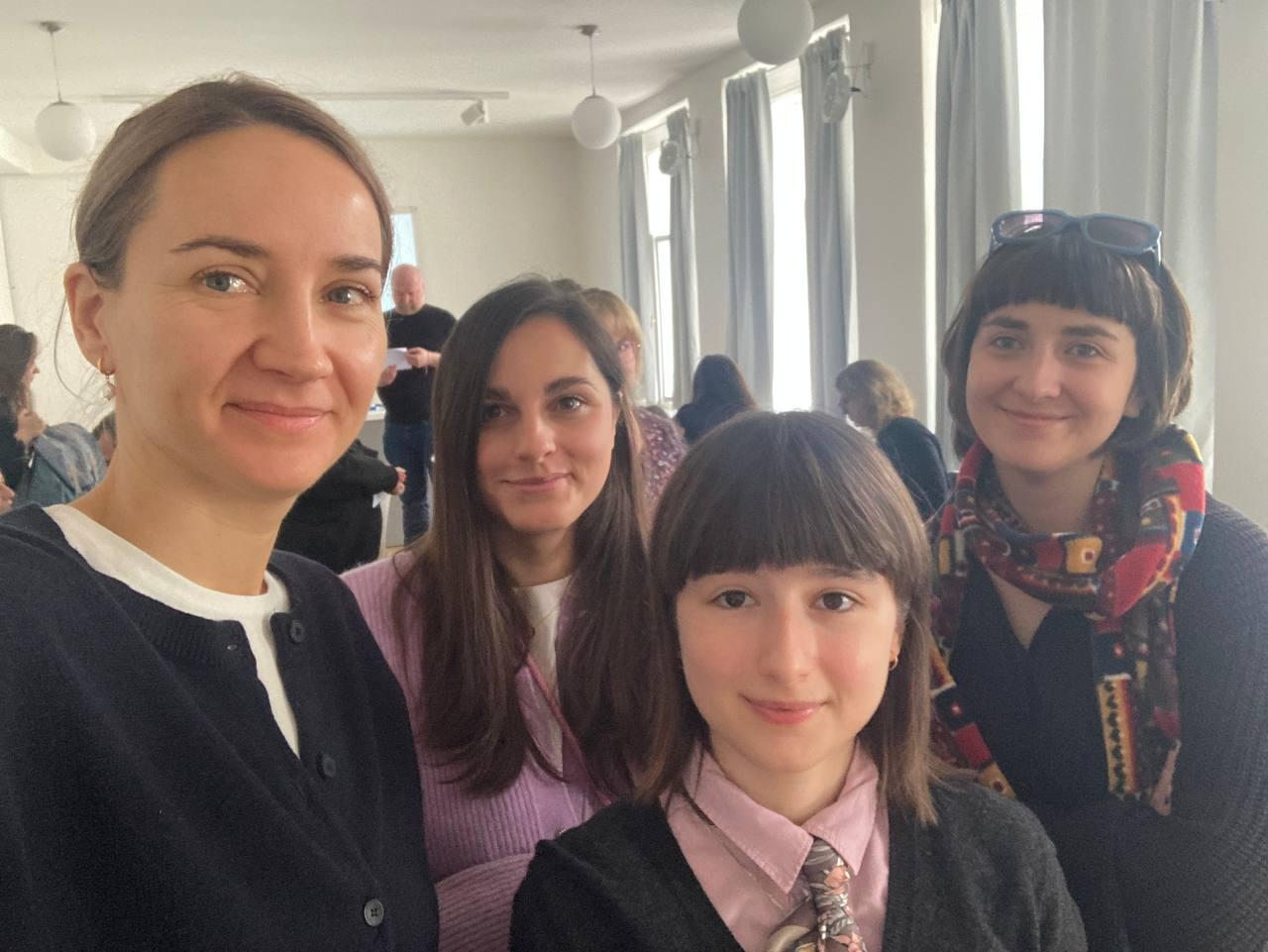
All the more gladly will I take part next week in the Central Translation Workshop, which this year will take place in Prague, Czech Republic. I coordinate this program on behalf of the University of Warsaw, which has participated in it for many years together with such universities as the University of Vienna, Humboldt University of Berlin, ELTE, and Charles University in Prague. This year’s edition promises to be especially interesting, as we will be reflecting on how contemporary translation studies are changing in the face of artificial intelligence — which, whether we like it or not, is being used more and more frequently even in the translation of literary texts.