
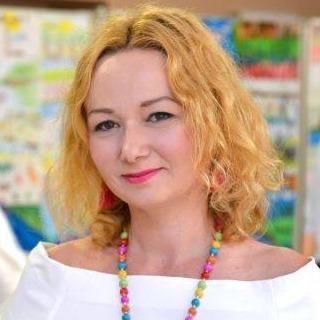
Erika Vályi Horváth, literary translator, co-founder of Abacus+ Publishing, and literature therapist
This week I am working on two projects that approach their subject from different directions, yet ultimately converge on the same question, how a text can open itself to new spaces and new reading experiences.
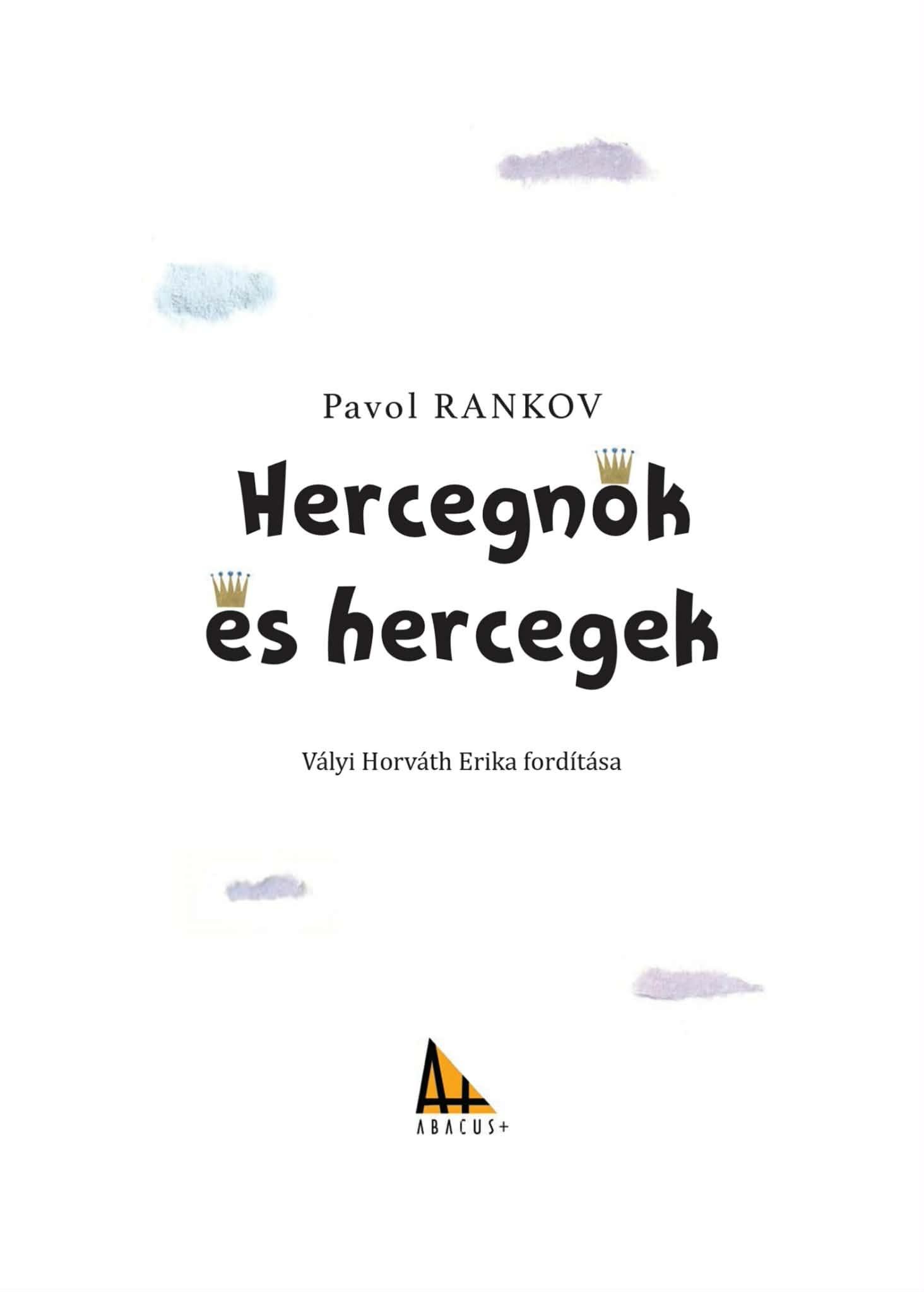
One of them is the Hungarian edition of Princesses and Princes (Princezné a princovia, Artforum, 2020) by Pavol Rankov, the Slovak author and recipient of the European Union Prize for Literature, translated by me. The book will appear with Abacus+ Publishing in the Frog Books series (Béka-könyvek), as the 86th volume of the Bázis collection. It is Rankov’s first book of fairy tales. Its stories evoke the familiar world of classical kingdoms, yet they speak to contemporary young readers in a modern, playful language.
What makes this volume particularly distinctive is that each tale is followed by a QR code leading to the publisher’s website (https://abacusplus.eu/). There, young readers will find questions designed to encourage reflection, so that the stories do not end with the final page of the book.
These prompts were created from the perspective of literary therapy. Their aim is not only to encourage children to read, but also to invite conversation, with parents, teachers, or even with one another. The questions encourage them to ask, to reflect, and to find their own words for their feelings.
As both a literature therapist and a parent, I consider it important that a book should do more than simply offer the pleasure of reading, it should also strengthen reading comprehension and help children learn to express themselves. For Abacus+ Publishing, it is equally natural that this collection of stories engages with contemporary reading habits, allowing the narratives to continue their life on a digital platform as well.
The other project is Word–Image Ekphrasis – Thresholds of Tolerance, which explores new ways of presenting the encounter between literature and visual art. Following the 2022 edition, this year’s aim is that text and image should not simply accompany one another as illustration and commentary, but enter into a genuine dialogue with each other in both Hungarian and Slovak, creating a space where reading, reception, and interpretation can deepen and enrich one another.
Many members of the Bázis community are involved in the creative process, visual artists, photographers, writers, and literary translators working together. At the same time, the project opens a space for both Slovak and Hungarian creators. It is always encouraging to see different artistic languages and experiences meet, and to witness something creative, elevating, and forward-looking emerge from that encounter.
Perhaps it is no coincidence that these two projects have landed on my desk in the same week. In different ways, both revolve around the same question: how we might bring readers closer to the text, whether through the world of a fairy tale, or through the meeting of an image and a work of literature.