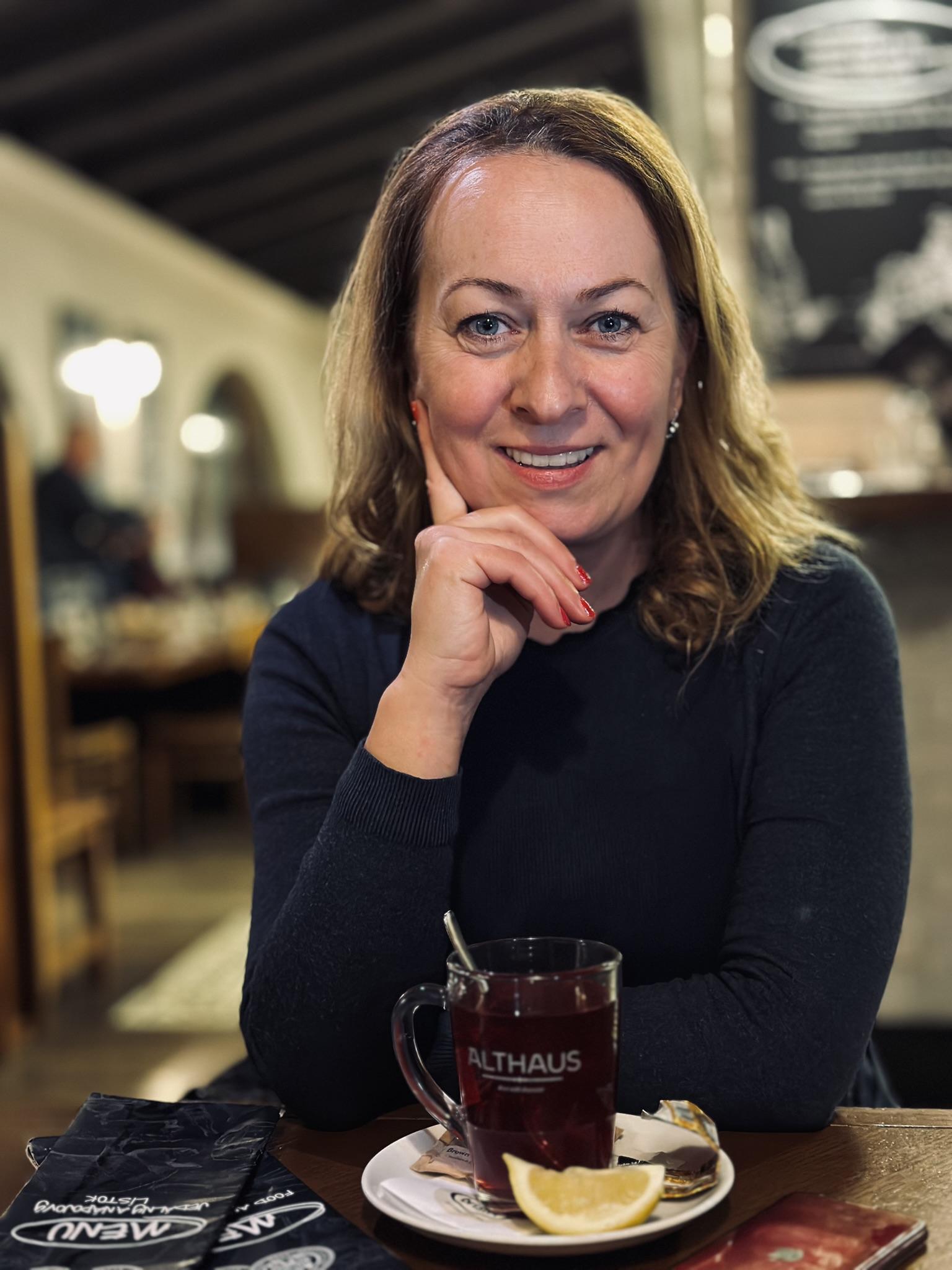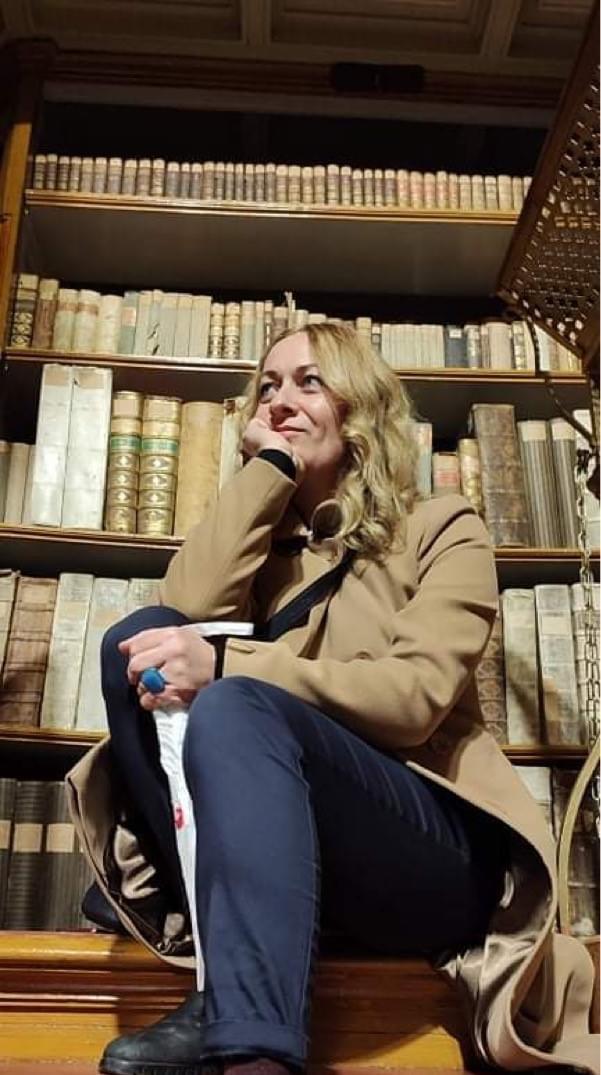

After more than twenty years of city life — part of them spent in the south of France — I find myself finally back home. I’ve just emerged from a particularly intense summer, having traveled across Europe from Normandy to the Baltic Sea. I’m currently gathering my travel experiences, writing them up for Gogogo online magazine. For a few weeks, I become a time traveler, bringing my summer adventures to life on paper.
But what fascinates me about travel isn’t the journey itself. It’s the art I encounter in Italy, the history that electrifies me in France, the kindness of strangers in the Czech Republic, the diversity of Switzerland, and the search for my Slavic roots in Poland. (For a long time, we believed the name Rajczi was Polish.)
This search for roots led me, during the pandemic, to look close to home and research the rise of the Esterházy family. Now I’m nearing the finish line with that book, just two weeks after submitting the second volume of my Kisvárosi ez+az series, Kagyló nyersen (Raw Shell), to Womanpress.
Luckily, the sewer construction in front of our house has finally finished. Over the past month they hardly inspired creativity. But that’s the life of a writer. Mornings are for income, afternoons for preparing the mind to welcome inspiration. Sometimes, inspiration flees when the mind is stuck in a bad mood. Inspiration resists any form of control.
Inspiration loves calm: the gentle scent of a tealight on the desk, coherent sentences, the sound of typing keys. I’m learning to bring daily events into harmony with inspiration — which often takes a bit of therapy.
“You’ll be fine here, trust me, on this white page, together with all the junk piling up in my head.” And so, the idea and the topic is born.
Muses? Long gone. There are no muses anymore. They’ve long disappeared. Even role models are starting to disappear. Esterházy won’t be one either — he came by his first million in a rather questionable way. As well as his wives.
The script is always the same. For the first two centuries, the family fights, kills, wages wars, and holds land. Then come a couple of useless heirs, internal conflicts, family feuds; a humanist, enlightened member preserves the fortune, revitalizes the region — and finally there’s always someone who squanders it all.
And while I’m having serious conversations with my inspiration, I inevitably run into the news — wars next door, climate catastrophes, power struggles, armchair heroes, and self-proclaimed experts trying to sway us.
It doesn’t feel good at all. I’m a child of Generation X — the generation whose TV turned slowly to color, who learned discipline and respect for elders, who built castles from scratch and started revolutions, who studied so we could learn to think.
My only voice is in my books, where I seek explanations. The cat in my lap, wine and mouse at my right hand, a candle burning to my left. I feel the toll of the computer in my spine, as I try to understand my ancestors to build the future more wisely.
I saved the world by breaking my back.